EN

monomaterial-
Dispenser

A practical example: Teekanne GmbH.

MonoMaterial is giving a product a second life.

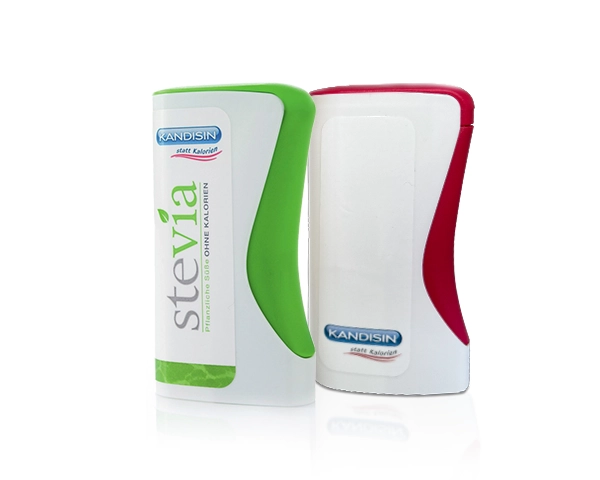
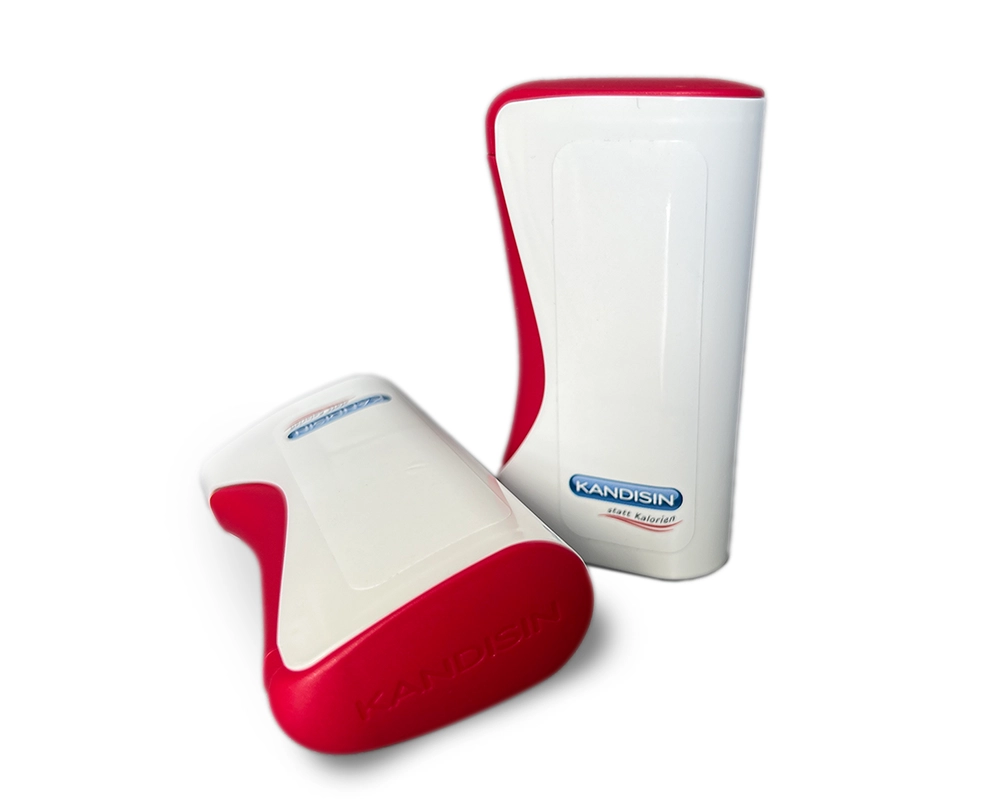
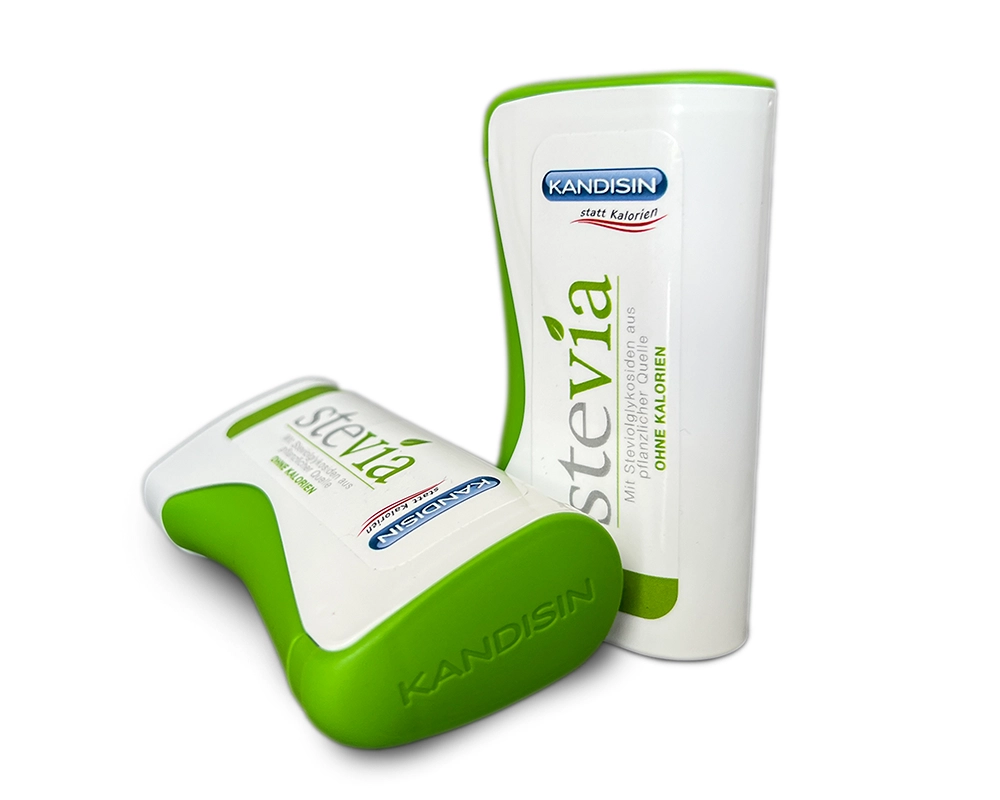
Improve recyclability and conserve valuable resources: The new Kandisin tablet dispenser. The joint project by Teekanne GmbH and packaging manufacturer Pöppelmann  FAMAC® shows that even existing food packaging has potential for optimization and can make a contribution to greater environmental and climate protection. 

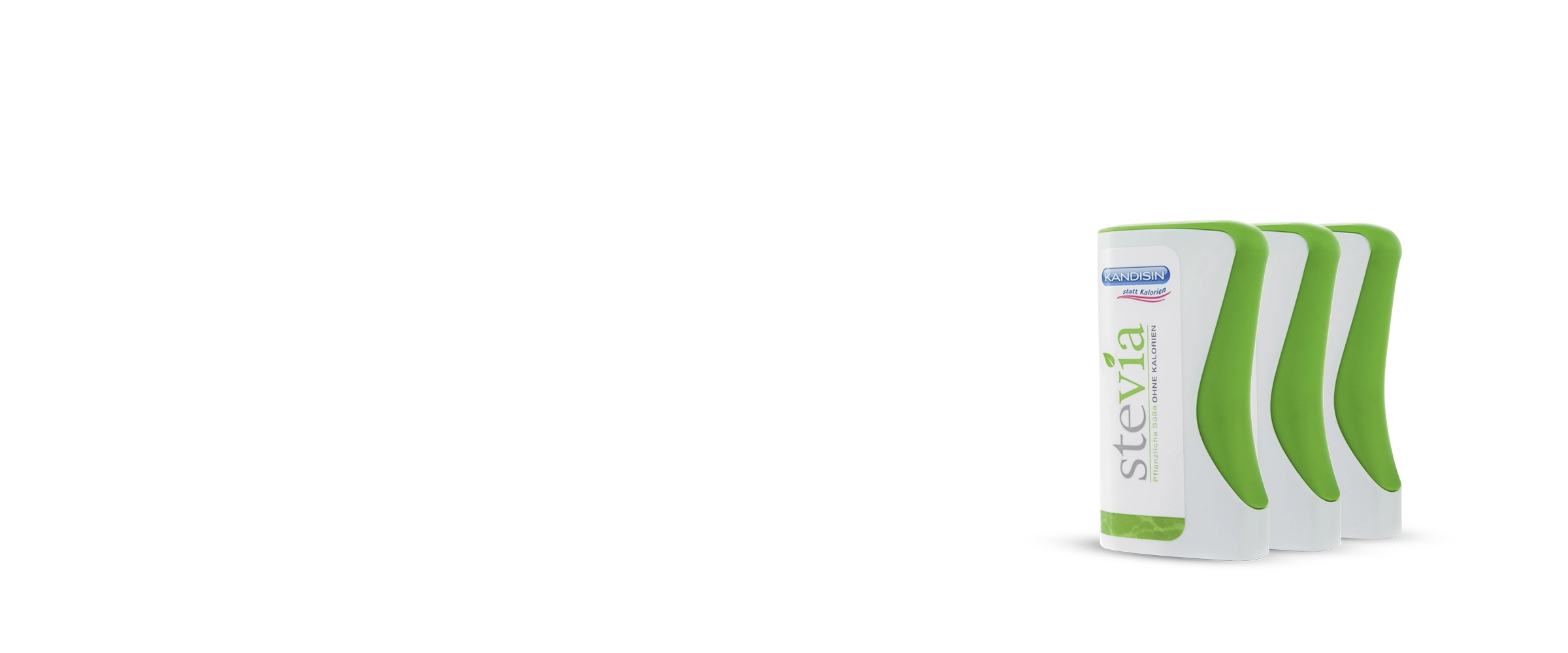
The Kandisin tablet dispenser is currently available in two versions: 250 Classic and 500 Stevia. These two versions differ not only in colour, but also in size. This has now changed! The new 350 Classic and 300 Stevia versions will be the same size. The material has also changed. Previously, the three parts of the tablet dispenser were made of different materials (container: polystyrene [PS]; slide: polyoxymethylene [POM]; lid: polypropylene [PP]). By changing the material of all three parts to PP, this item is now recyclable - without compromising on quality and functionality. Kandisin tablet dispensers are manufactured under clean food conditions. Further greenhouse gas (GHG) emissions can be reduced thanks to the additional sprue recirculation used in the manufacturing process.

Reaching the goal together!

„With the PÖPPELMANN blue® initiative, the plastics specialist is helping to conserve resources and protect the climate. Together, we were able to show how our tablet dispensers can be given a second life!“


Stefan Lämmerer, Head of Supply Chain & Facility Management, Teekanne GmbH
High satisfaction on all sides.

„Circular food packaging without compromising on quality and functionality. That was our common goal for the redesign of the tablet dispenser. We are delighted that we were able to successfully implement this project with Pöppelmann FAMAC® as a development partner."


Elke Kickinger, Head of Marketing CEE (ST, Kandisin), Teekanne GmbH

Teekanne Logo

THE customer requirments
successfully implemented.


Maximum
recyclability

The goal was to develop a recyclable tablet dispenser without compromising product protection and functionality. The challenge: to develop all three individual parts (container, slider and lid) from PP without compromising on quality and functionality.


The
highlight

The label of this tablet dispenser has also been changed to a PP, which in turn has a positive effect on the circulation capacity.


Closed
material loop

The fact that all components are made from the same material (PP) ensures a high level of recyclability. At the same time, the amount of material used for the individual components (containers, slides, etc.) is reduced. This results in reduction of GHG emissions per variant by approx. 38% (Classic dispenser) or approx. 53% (Stevia dispenser). For this evaluation, processing, sprue production, material, color and other expenses (excl. label) were taken into account.

Sustainable packaging.
Added value along the
value chain.

Lea Middendorf
SALES
Flexibles

Benefits


  • Monomaterial packaging: ideal for mechanical recycling (NIR detection, float-sink process).
     
  • The label is also made of PP, which supports the circular economy for the packaging.
     
  • The use of gate recycling in the manufacturing process further reduces GHG emissions.
  •  

P.S. We would be happy to present our advantages to you in a personal meeting.


v-broschuere-verpackung-de


Product Folder
 

famac-spout-folder-vorschaubild-200x283


Spout Folder

famac-pp-blue-one-pager-vorschaubild-200x283


PP blue Folder

What do we mean by
future-proof packaging?


The EU Packaging & Packaging Waste Regulation (PPWR) sets out the framework conditions for how packaging should be designed in the future. Unnecessary packaging and packaging waste should be reduced and reusable systems and recycling should be promoted. In our opinion, plastic packaging meets precisely these requirements, as plastic is more efficient than alternative materials.

Mainly less plastic?

Plastic is more efficient than alternative materials.

More

On the
The wrong track?

PPWR is driving deforestation and the growth of mountains of waste.

More

Minimum recyclate usage?

100% in unregulated sectors (e.g. nonfood) creates incentives for investment in mechanical recycling.

More

Design For
Recycling?

Recyclability and the use of recyclates are the basis for a functioning circular economy.

More

Test without obligation: reusable cups from the FAMAC® program.


Request samples of our packaging for testing - of course, completely free of charge and without obligation.

Fill out the form now and receive a sample range.

PÖPPELMANN FAMAC®: NEWSLETTER.

DON'T MISS ANY NEWS.